
Professional Tree Pruning for Healthier, Safer Trees
Regular pruning is the foundation of proper tree care. At Second Nature Tree Service, our experienced crew provides expert pruning and trimming services that promote tree health, improve structural integrity, and enhance the appearance of your landscape. Serving Peekskill and communities throughout Northern Westchester and Putnam Counties.
Types of Pruning We Provide
Crown Thinning — Selective removal of interior branches to increase light penetration and air circulation, reducing wind resistance and the risk of storm damage.
Crown Raising — Removing lower branches to provide clearance for walkways, driveways, structures, and sight lines while maintaining the tree's natural shape.
Deadwood Removal — Eliminating dead, dying, and diseased branches that pose a falling hazard and can spread decay to healthy parts of the tree.
Structural Pruning — Training young trees to develop strong branch architecture and correcting structural defects in maturing trees before they become problems.
Vista Pruning — Selectively thinning branches to open up views of the Hudson River, valleys, or other scenic elements without removing the tree.
When to Prune Trees in the Hudson Valley
Late Winter (January-March): Ideal for most deciduous trees. Dormant pruning promotes vigorous spring growth and makes branch structure easy to evaluate.
Summer: Good for controlling growth and removing water sprouts. Also the best time to evaluate and address storm damage.
Fall: Generally avoided for major pruning as cuts heal slowly and disease organisms are active.
Any Time: Dead, damaged, or hazardous branches should be removed immediately regardless of season.
Benefits of Professional Pruning
- Reduces risk of branch failure and storm damage
- Improves tree health by removing diseased wood
- Enhances property appearance and curb appeal
- Increases light to lawn and garden areas below
- Prevents branches from damaging roofs, gutters, and siding
- Maintains clear sight lines for driveways and walkways
What Drives Tree Pruning Cost
Pruning is priced per job because "a trim" can mean ten minutes of deadwood cleanup or a full day restoring a storm-torn crown. Here's the honest breakdown of what moves the number, biggest swings first.
Tip: If you have several trees, get them all looked at in one visit — it's almost always cheaper per tree than calling us back two months later for the next one.
Frequently Asked Questions
Most mature trees benefit from pruning every 3-5 years. Young trees may need structural pruning more frequently. We can assess your trees and recommend a maintenance schedule.
Yes. Late winter is often the best time for most deciduous trees in the Hudson Valley. The tree is dormant, branches are visible, and spring growth will quickly close pruning wounds.
In many cases, yes. Removing damaged, diseased, or structurally weak branches can extend a tree's life significantly. We evaluate each tree and advise honestly on whether pruning or removal is the better option.
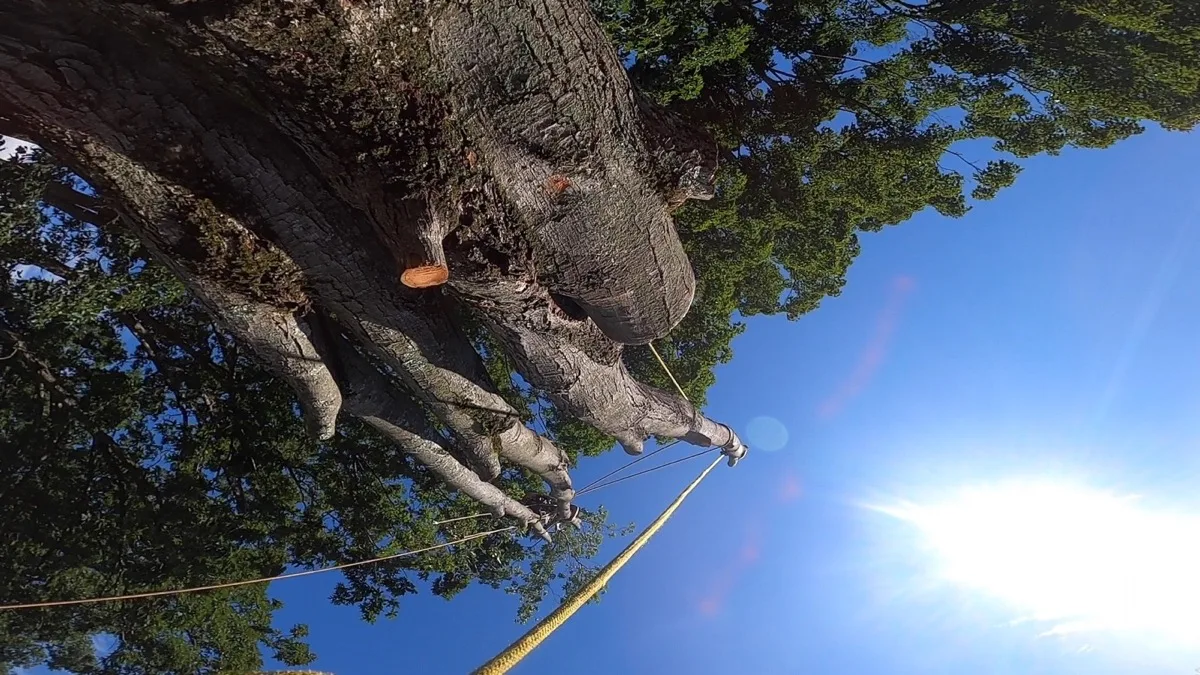
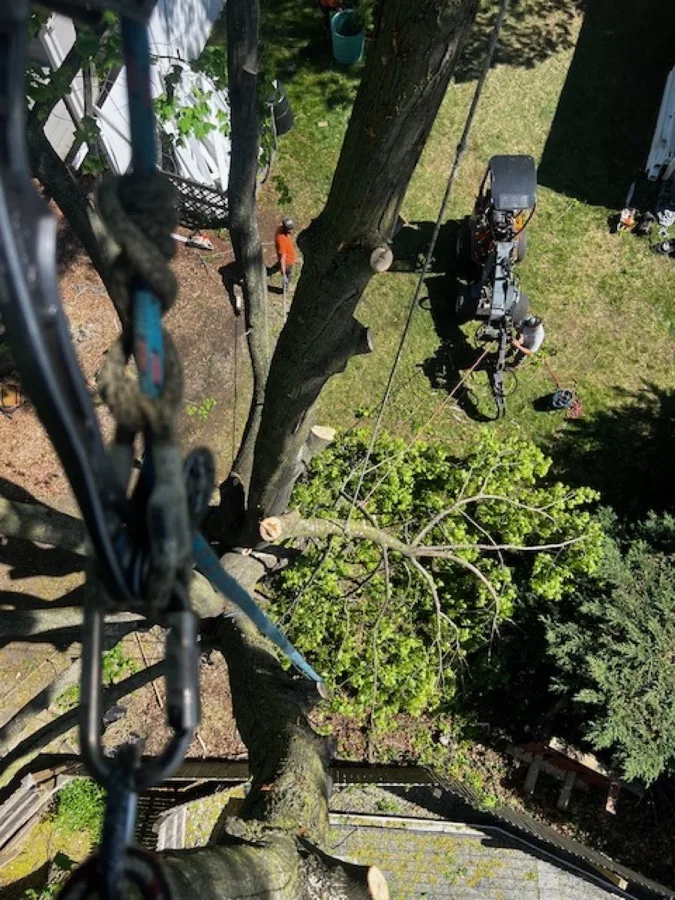
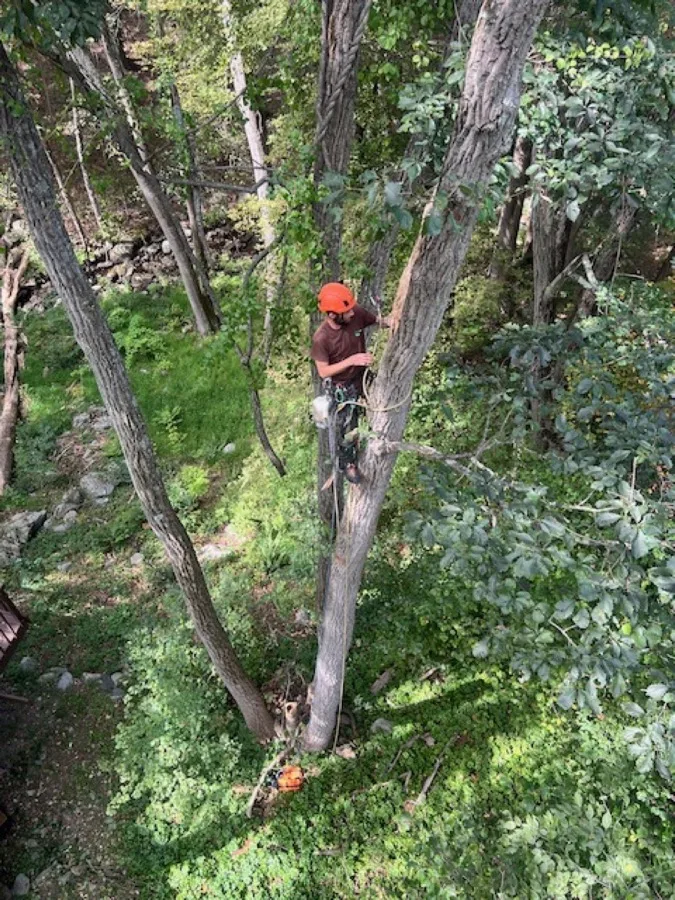
Absolutely. Our climbers are trained and equipped to work safely in trees of any size. We use professional climbing gear, rigging, and bucket trucks to reach every branch.
The biggest driver is the type of pruning, not the tree — light deadwood cleanup is quick, while crown reduction or restoring a storm-damaged tree is a different scale of work. Tree size/height, number of trees (more in one visit lowers per-tree cost), access, and debris handling round it out. See the "What Drives Tree Pruning Cost" breakdown above, then call (914) 391-5233 for a free on-site estimate.